 Skip to content
Battery Lifecycle Solutions
Home » Battery Lifecycle Solutions
Manage the Battery From Testing to Repair, Replacement, Reconditioning and Remanufacturing
A battery should not be treated as a simple pass or fail component.
Some batteries are healthy. Some need monitoring. Some can be repaired. Some need replacement. Some may be suitable for reconditioning. Some may be suitable for remanufacturing.
The challenge is knowing which option is best. That is where battery lifecycle management matters.
Zentiq helps businesses and vehicle owners understand the full lifecycle of a hybrid or electric vehicle battery. Testing and Diagnostics, Repair, Replacement, Reconditioning, and Remanufacturing.
Where a business has the capability, it can carry out repair, replacement, or reconditioning through its own operation, supported by Zentiq diagnostics, reports, certificates, and lifecycle guidance.
The goal is simple.
Use the battery for as long as it is practical.
Repair it where possible.
Replace it when necessary.
Recover value where suitable.
Avoid waste where it can be avoided.
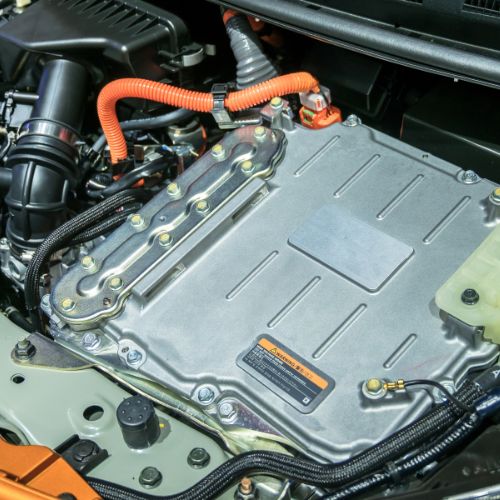
Battery Decisions Should Follow the Battery Condition
Many battery decisions are made too early. Or too late.
A battery may be replaced before it needs to be.
A repair may be attempted when replacement is the better option.
A weak battery may stay in service until it fails.
A battery may be discarded before its remaining value is understood.
That creates cost. It also creates waste.
Battery lifecycle solutions help avoid those mistakes. The battery should be tested first. Then the right decision should follow.
What Is Battery Lifecycle Management?
Battery lifecycle management is the process of understanding and managing a battery through every stage of its useful life.
It includes:
- Battery testing
- Battery diagnostics
- Battery health reporting
- Fault identification
- Repair decisions
- Reconditioning assessment
- Replacement planning
- Remanufacturing suitability
- Ongoing monitoring
- Battery reuse where suitable
For workshops, dealers, fleets, and white label partners, lifecycle management can also support their own battery services. They can test the battery, understand the issue, explain the result to the customer, and carry out repair, replacement, or reconditioning themselves where they have the capability.
Why Battery Lifecycle Matters
Batteries in hybrid and electric vehicles are valuable assets.
They affect vehicle performance.
They affect operating cost.
They affect resale value.
They affect customer confidence.
They affect repair decisions.
They affect long-term profitability.
When a battery is not managed properly, the result is usually one of two problems.
The battery is replaced too early.
Or the battery fails before anyone planned for it.
Both can be expensive.
A lifecycle approach gives businesses more control.
This helps them see what the battery needs now and may need next.
Repair, Replace or Remanufacture?
This is one of the most important battery questions.
The answer depends on the battery.
A healthy battery may only need monitoring.
A battery with a limited fault may need repair.
A declining battery may need reconditioning.
A battery near the end of its usable life may need replacement.
If a battery has recoverable value, it may be suitable for remanufacturing.
The decision should not be based on guesswork.
It should be based on testing, diagnostics, and the real condition of the battery.
That is what Zentiq helps provide.
The Zentiq Battery Lifecycle Pathway
Zentiq supports battery decisions through a clear pathway.
1. Battery Testing
The process starts with understanding the real condition of the battery.
Testing helps identify battery health, performance, faults and early signs of failure.
No major battery decision should be made without proper testing.
2. Battery Diagnostics
Diagnostics help explain what is happening inside the battery.
This may include fault codes, weak modules, voltage imbalance, capacity loss, performance issues or battery management system data.
The purpose is to understand the problem before choosing the solution.
3. Battery Health Report
When the battery is tested, the results can be presented in a clear report.
This means businesses, customers and decision-makers know the state of the battery without having to guess.
Reports can help with repairs, replacements, resale, fleet planning, warranty discussions and customer transparency.
4. Repair Decision
Not every battery problem means the full battery needs to be replaced. Some faults may be repairable.
If the problem is limited, manageable and technically feasible, a repair may be appropriate.
This can help to reduce the cost and extend the life of the vehicle in service.
Where the business has the right capability, the repair can be completed through its own workshop or service operation.
5. Reconditioning Assessment
Some batteries may benefit from reconditioning where suitable.
Reconditioning may help improve usable performance, balance or battery behaviour depending on the condition of the battery.
It is not the answer for every battery.
But where it is suitable, it can be part of a smarter battery lifecycle decision.
If reconditioning is suitable, capable partners or businesses can provide this service themselves as part of their own battery offering.
6. Replacement Planning
Sometimes replacement is the correct decision. But replacement should be planned where possible.
A planned replacement is better than an unexpected failure.
Battery data helps businesses understand when replacement may be needed and how to prepare for it.
This supports cost planning, vehicle scheduling, stock preparation, and customer decisions.
Where replacement is needed, the business can plan and provide the replacement through its own operation or service network.
7. Remanufacturing Review
Some batteries may have remaining value even after they are no longer suitable in their current form.
Where appropriate, a battery can be assessed for remanufacturing.
Remanufacturing may include structured testing, assessment, rebuilding, balancing, quality checks and validation.
The aim is to recover usable value where it is practical to do so.
White Label Partners and Businesses can carry out remanufacturing with the help of the framework provided by Zentiq Energy.
8. Continued Monitoring
Battery condition changes over time. That is why monitoring matters.
Ongoing battery data can help identify changes earlier, support maintenance planning and reduce unnecessary surprises.
Battery lifecycle management does not stop after one test.
It continues as the battery operates.
Stop Replacing Batteries Too Early
Batteries are the boss in hybrid or EV vehicles. Replacing them can be expensive.
If a battery can be repaired, reconditioned, or safely managed for longer by the business or its service team, replacing it too early may waste money.
It may also waste usable battery value.
A lifecycle approach helps identify whether replacement is truly needed.
This is important for:
- Workshops
- Dealers
- Fleet operators
- Leasing companies
- Auction businesses
- Insurance companies
Private vehicle owners
The goal is not to avoid replacement when replacement is necessary.
The goal is to avoid unnecessary replacement.
Avoid Waiting Until Failure
Waiting too long can also cost you money.
Ignoring a battery problem can result in more costly repairs, lost vehicle use, customer complaints, and breakdowns.
Battery lifecycle management helps identify risk earlier.
This gives more time to plan the next step.
Repair can be scheduled.
Replacement can be prepared.
A customer can be informed.
A vehicle can be priced correctly.
A fleet can plan downtime.
A dealer can protect the sale.
Earlier information creates better control.
Built for Businesses That Manage Hybrid and Electric Vehicles
Battery lifecycle solutions are useful for any business that works with hybrid and electric vehicles.
Workshops
Support better repair decisions and provide repair, replacement, or reconditioning services where suitable.
Dealerships
Prepare vehicles for sale with better battery information and clearer commercial decisions.
Fleet Operators
Plan battery maintenance, repair and replacement before failure affects operations.
Auction Companies
Understand battery condition before vehicles are sold.
Insurance Companies
Support battery-related inspections, claims and vehicle assessments.
Leasing Companies
Assess the battery condition during lease returns, remarketing, and resale.
White Label Partners
Offer battery testing, reports, certificates, repair, replacement, and reconditioning services under their own brand.
Vehicle Owners
Decide if a battery requires monitoring, repair, replacement or further assessment.
Different businesses have different needs. But they all need the same starting point.
A clear understanding of the battery condition.
Better for Cost, Value and Waste Reduction
Battery lifecycle management is not only a technical process.
It is a commercial process.
It helps businesses manage:
- Repair costs
- Replacement costs
- Vehicle value
- Customer confidence
- Warranty exposure
- Downtime
- Resale decisions
- Battery waste
- Long-term battery planning
Do not waste a battery too early. When the condition is unknown, it should not be blindly trusted.
The right answer is somewhere between these extremes. This is what lifecycle management is all about.
Battery Lifecycle Support Starts With Diagnostics
Every lifecycle decision begins with testing.
Without testing, there is no clear picture.
Without diagnostics, there is no proper understanding.
Without understanding, the decision becomes a guess.
That is why Zentiq connects battery diagnostics, health reporting, repair decisions, replacement planning, reconditioning assessment, and remanufacturing suitability into one battery lifecycle approach.
Each step supports the next.
Testing shows the condition.
Diagnostics explain the issue.
Reports make the information clear.
Repair decisions show what can be fixed and whether the business can carry out the work itself.
Replacement planning shows what may need changing.
Remanufacturing assessment helps recover value where suitable.
This is how battery decisions become more practical.
Clear Answers for Battery Decisions
Battery lifecycle management should not make things more complicated.
It should make decisions easier.
Is the battery healthy?
Is the fault repairable?
Is reconditioning suitable?
Is replacement needed?
Is remanufacturing an option?
Can the battery stay in service?
Should the vehicle be sold, repaired or monitored?
Zentiq helps turn battery information into clear next steps. That is the value of a complete lifecycle solution.
Manage the Battery Before It Becomes a Problem
Battery failure should not be the first time a battery gets attention.
The battery should be tested.
The condition should be understood.
The options should be reviewed.
The right action should be planned.
Zentiq Battery Lifecycle Solutions help businesses and vehicle owners manage batteries with more confidence from the first test to the final decision.
Whether the answer is repair, replacement, reconditioning, remanufacturing or continued use, the decision should be based on real battery information.
Not assumptions. Not panic. Not unnecessary cost.
For capable workshops, dealers, fleets, and white label partners, the next step can be delivered through their own operation. Zentiq supports the structure behind the decision.
Contact Zentiq to learn more about battery lifecycle solutions for hybrid and electric vehicle batteries.
